CDSK advancing social Inclusion for Children with Cerebral Palsy
Have you ever wondered about the myriad challenges faced by children with cerebral palsy and their caregivers?
From stigma and exclusion in their communities, lack of access to quality education, poor livelihoods interventions, psycho-social struggles, health, and rehabilitation challenges, these children with Cerebral Palsy are often left behind in all three spheres of life. Despite awareness creation sessions and enacting legal frameworks, their caregivers remain at the crossroads, grappling with mental health burdens while striving to provide love and care.
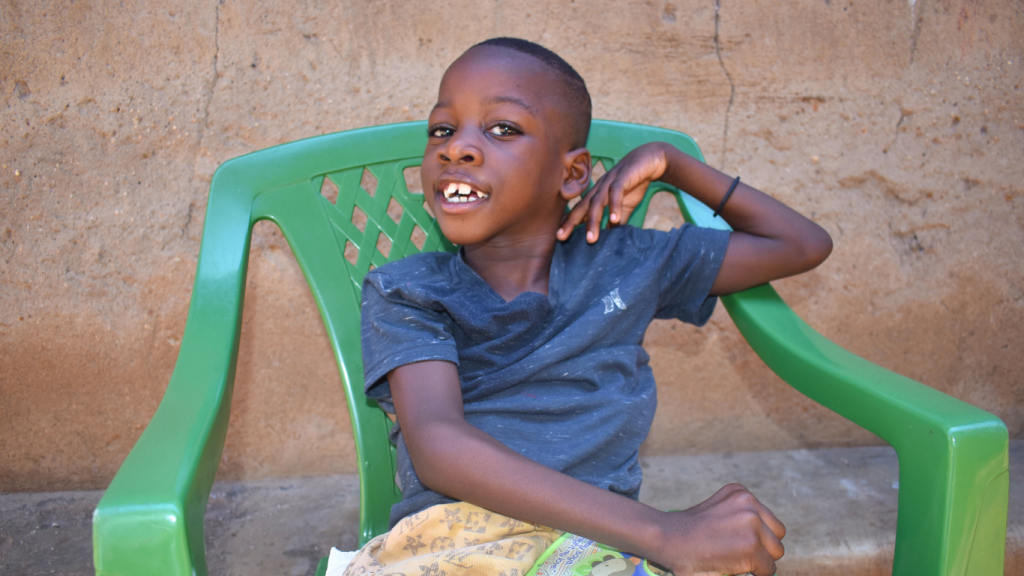
This Cerebral Palsy Awareness Month, we share the story of Jayden Sol Ochieng, an 8-year-old boy whose life reflects the intersection of disability and poverty.
Acquiring disability and livelihood
Born after prolonged labour, Jayden developed spastic cerebral palsy, affecting his trunk and spinal cord. Delayed identification and stigma meant rehabilitation started late, limiting his mobility.
Jayden lives with his both parents in a single-room home in Nyallenda slums, Kisumu County. His father earns about KES 200 a daily Income from motorcycle taxi work (boda-boda), while his mother supplements income through manual labour, barely enough to survive.
However, she has to fluctuate between the two roles which are; taking care of Jayden (the frequent therapy sessions required to improve his functionality) while on the other hand, enhancing the income for the household.
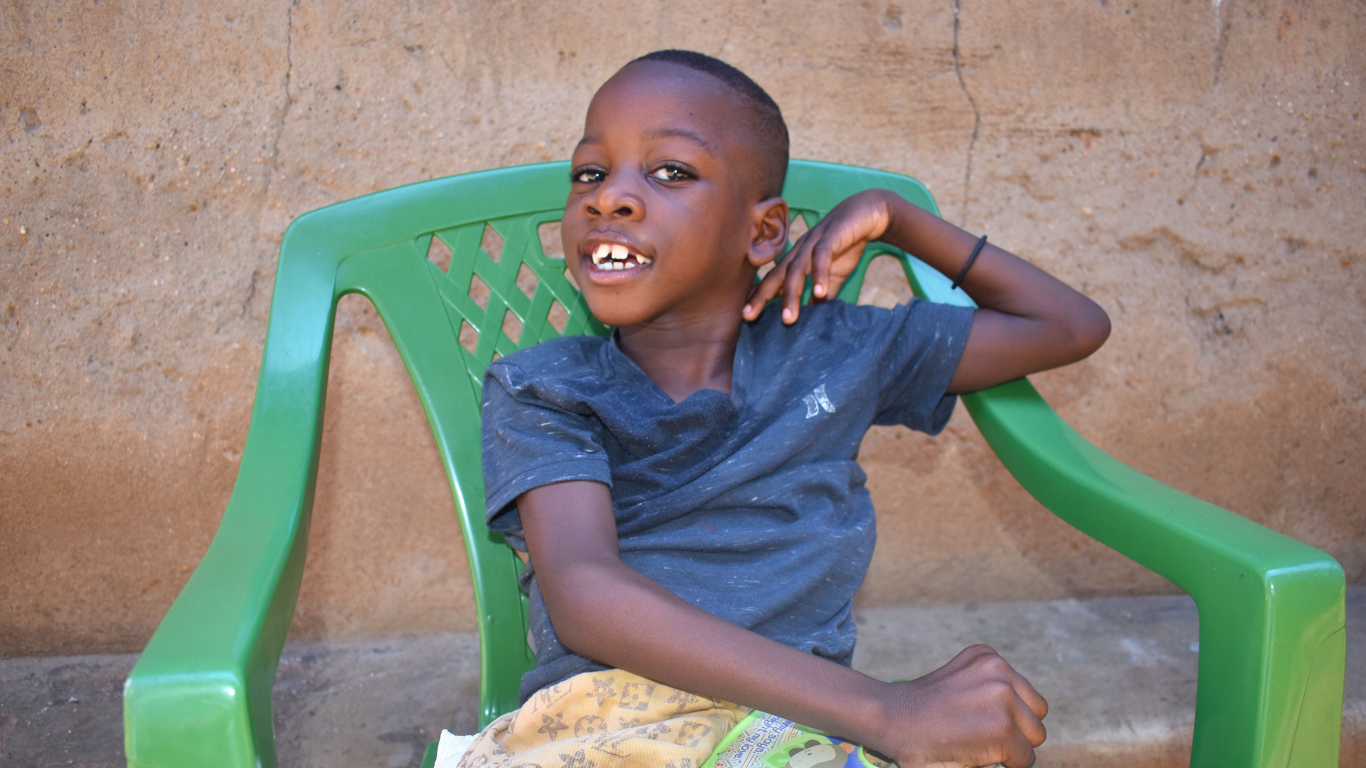
Despite these hardships presented by life, Jayden radiates joy and the smile is always palpable Though he cannot speak or walk independently, he smiles whenever his peers play nearby. He shows curiosity when his friends scribble on paper, proving his eagerness to learn.
CDSK’s intervention and caregiver support
The Inclusive Early Childhood Development and Education (IECDE) and the Care with A Touch (CWAT) Project’s ongoing advocacy, capacity-building, and linkages have significantly improved his quality of life.
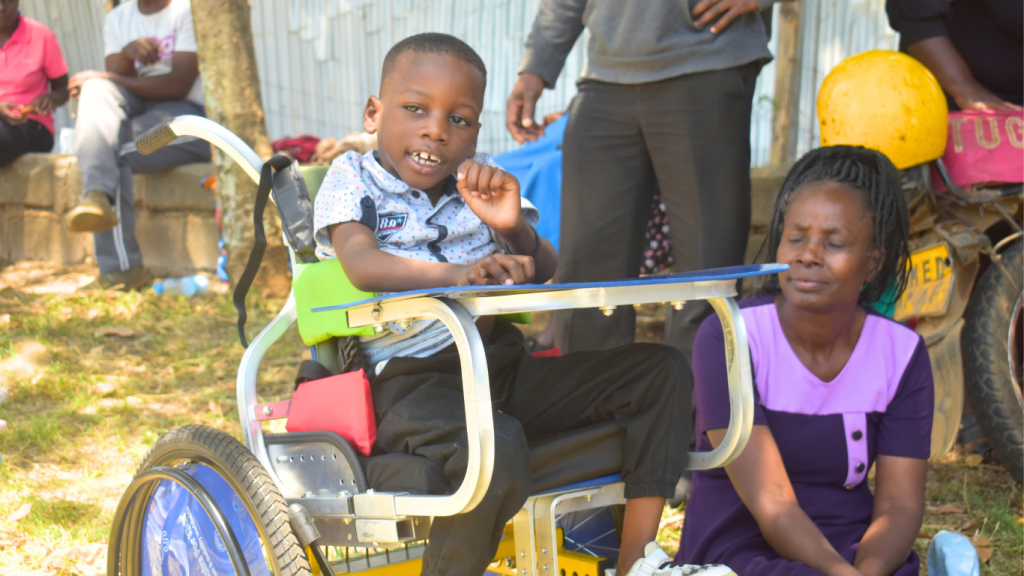
Jayden has received a wheelchair, greatly enhancing his mobility and enabling him to interact more freely with his peers. Although the projects do not provide support for school fees, he has therefore not yet been enrolled in a school,
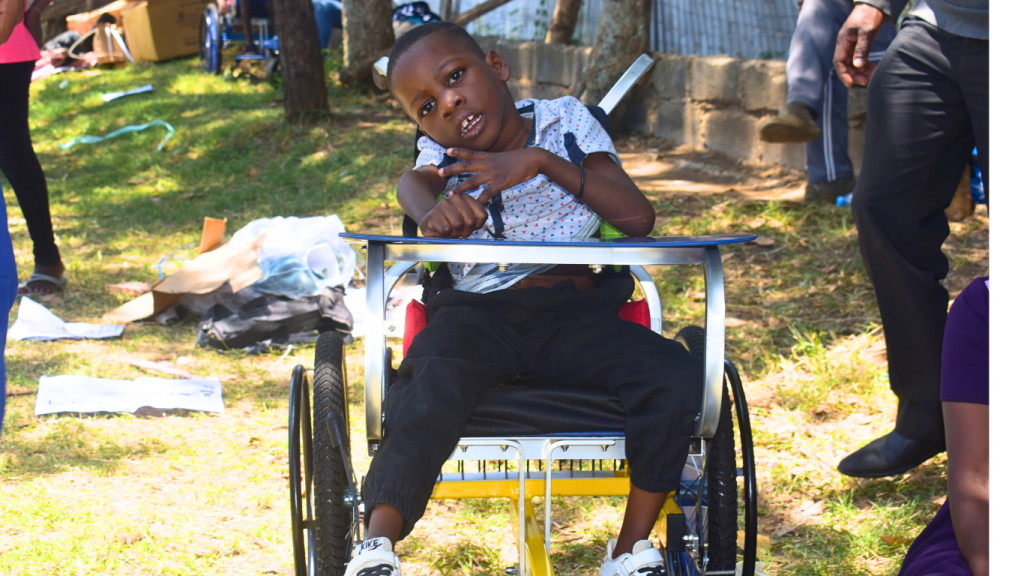
The wheelchair has enabled him to play with friends and attend church, enhancing his mobility and inclusion in their community. His mother, Irene Ogweno, has undergone Support Tools Enabling Parents (STEPs) training, learning daily living skills and gaining psycho-social support, which has empowered her on how to take care of her son.
Besides, once stigmatized, Irene is now embraced by her community members, thanks to numerous advocacy initiatives by CDSK through the IECD&E and CWAT projects.
Jayden’s mother, Irene, has been able to join a caregivers’ self-help group known as Make Us Great Again, where together with her peers, they are accessing trainings on economic empowerment but access to affordable credit facilities is still a challenge.
“I wish my child can go to school like his peers; however, I wonder how he will be treated by other learners, teachers, I even fear getting another child because I do not know whether they will also be disabled, ” lamented Jayden’s mother, Irene.
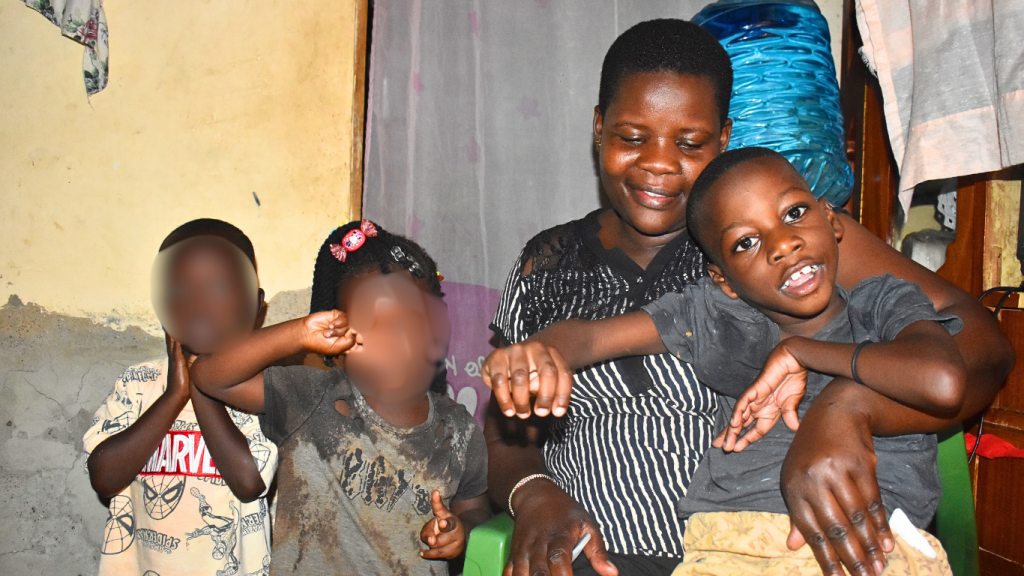
However, she still fears how the teachers and other children will treat her child in school, but she holds hope that one day Jayden will thrive and even support his family.
Gaps and call to Action for children with cerebral palsy and their caregivers
At CDSK, we believe that every child deserves dignity, inclusion, and opportunity. Through our interventions, we enhance social inclusion, resilience, and quality of life for children with cerebral palsy and their families. Yet, this journey is not without opposition, cultural stereotypes and entrenched beliefs often resist change. Still, we persist, because every child matters.
Jayden’s story is not unique. But a reflection of thousands of children with cerebral palsy across Kenya, who face similar barriers.
Together we can expand access to inclusive education and rehabilitation services, strengthen caregiver support groups for psychosocial and economic resilience, Challenge stigma and cultural stereotypes through sustained advocacy as well as providing assistive devices that unlock mobility and independence.
What do you think needs to be done to support children with cerebral palsy and their caregivers?
#inclusivecommunity #CPawarenessmonth